amber.fossils.im
A tree’s tears, and a beetle 3.5 millimetres long
Amber is “derived from resin-bearing trees that once clustered in dense, now extinct forests.” The sticky stuff that sealed a gash in the bark could also trap a fly, a beetle, or, more rarely, a small vertebrate — and keep the shape with what official pages call amazing, lifelike fidelity.[source]
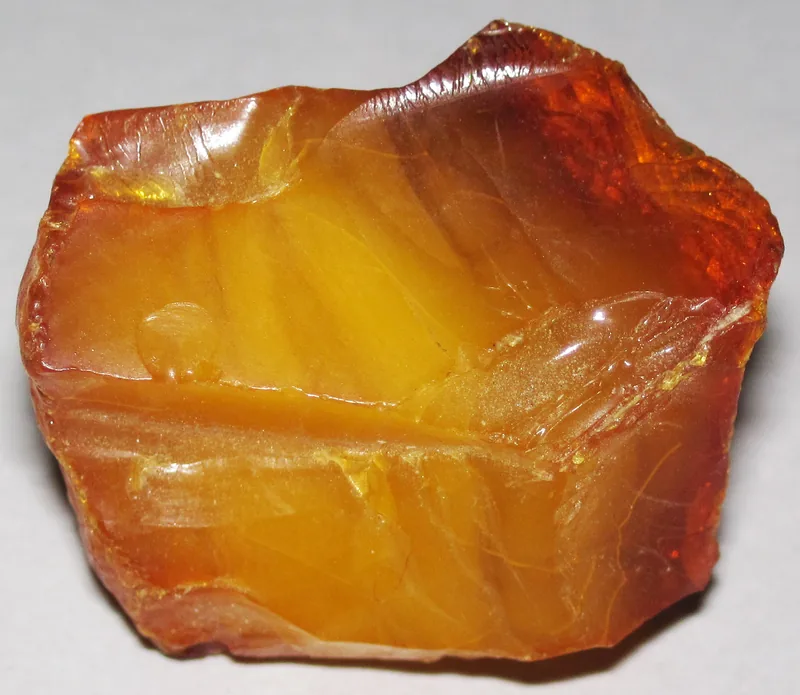
Which amber?
Pick a story. Official pages treat amber as fossilised tree resin, famous for the creatures and plants it can keep — and careful about the names, the dates, and the difference between amber and copal.
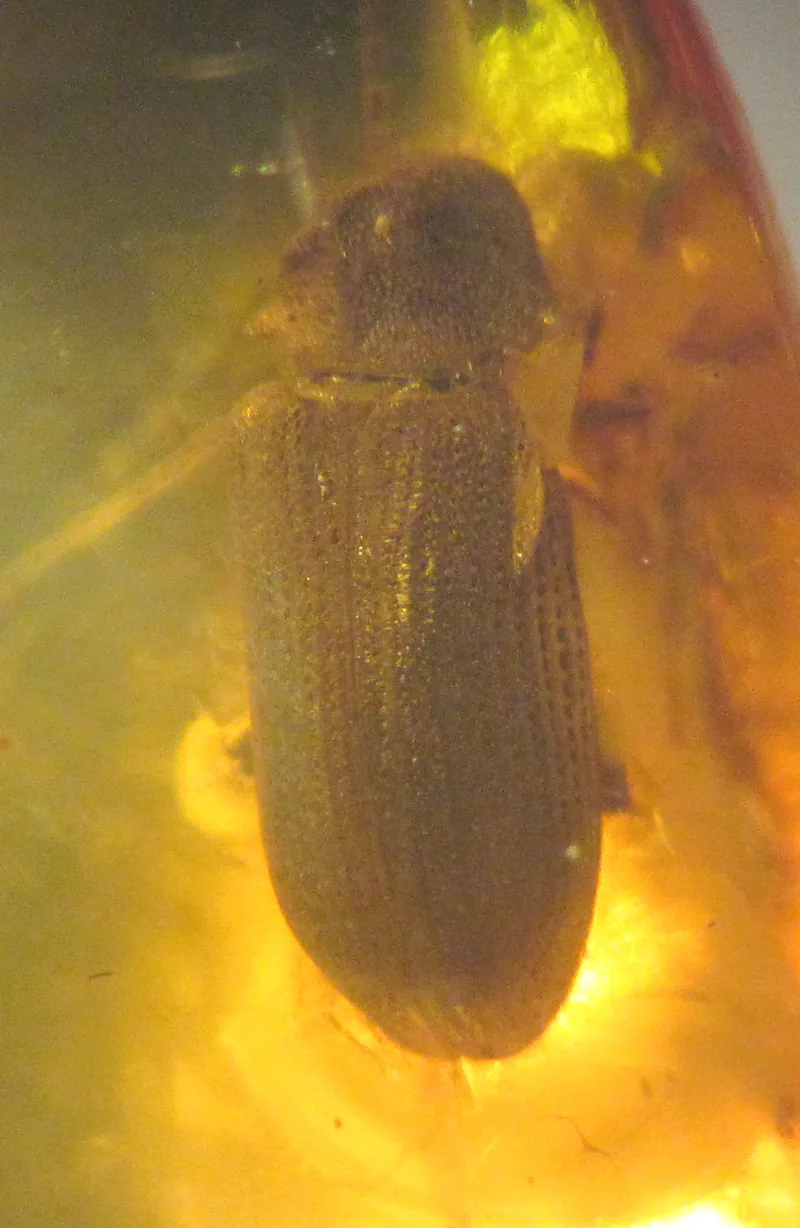
The names themselves get in the way. The Getty Museum’s essay “What Is Amber?” lists amber, Baltic amber, fossil resin, succinite and resinite, and admits that “they have confused as much as they have clarified.” Despite decades of study, there is “no definite conclusion about the botanical source of the vast deposits of Baltic amber.” It is not from the modern species of pine. An extinct ancestral tree is “probably the only solution.”[source]
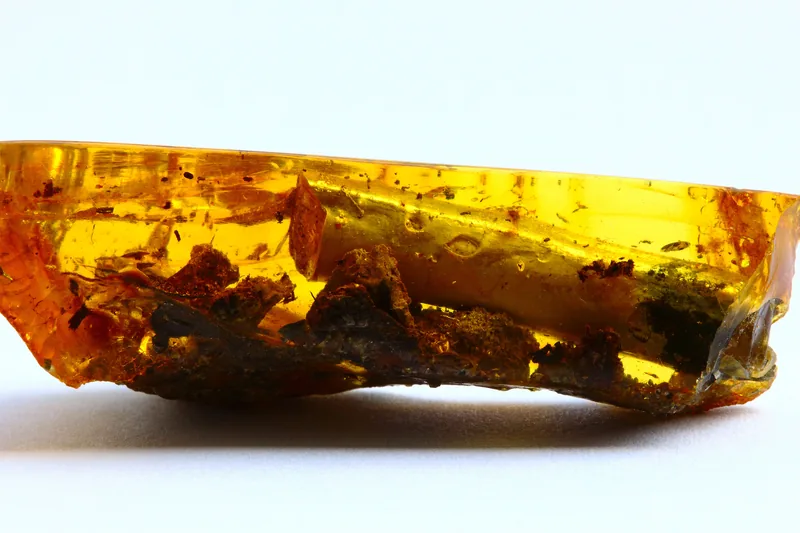
This site is a desk of official deposits and careful distinctions: Baltic amber and the labelled Yantarnyi specimens; a diverse Miocene collection from the Dominican Republic at the American Museum of Natural History; Cretaceous holdings there from Lebanon, Myanmar, Alaska, New Jersey and Alabama; and copal, a younger resin, sitting on a continuum that official pages refuse to cut with a single date.[source][source]
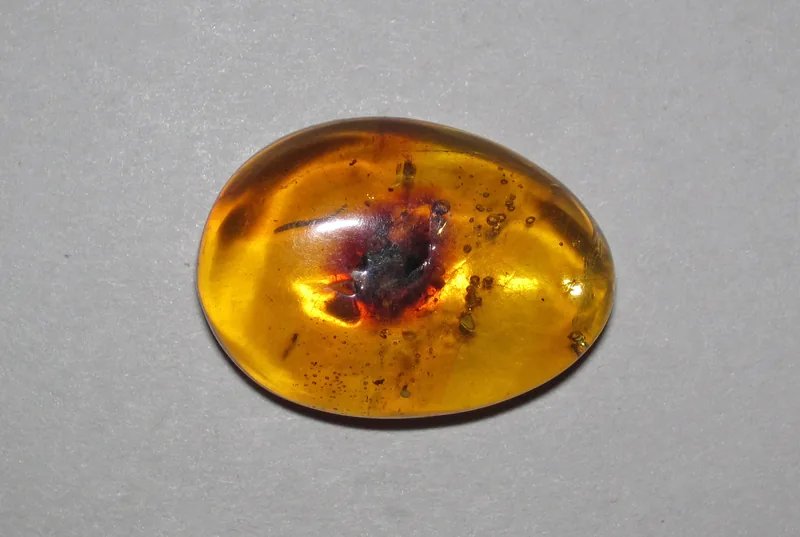
One official surprise is how often the resin travelled. “Most amber did not originate in the place where it was found.” After the trees fell, rivers and tides carried resin-coated logs to coastal deltas, “where they were buried over time in sedimentary deposits.” Another is how slowly, and how unevenly, the buried resin becomes the rock-like stuff in a drawer. “No single feature identifies at what age along that continuum the substance becomes amber.”[source]
Enjoyed this amber desk?
No pop-ups. No intrusive advertising. Just interesting stuff. A little support helps the next fossils.im site get built.